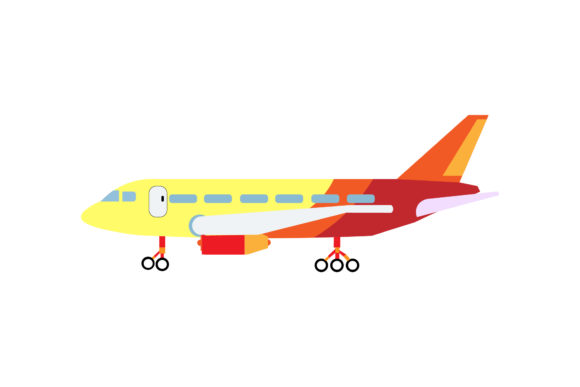
Unlocking Creativity with Airplane Plane Illustrations Vector
When you are building a travel blog, designing a logistics brochure, or creating branding for an aviation startup, finding the right visual asset can feel like searching for a needle in a haystack. You need something that conveys motion, reliability, and modern aesthetics without looking like generic stock art. This is where the Airplane Plane Illustrations Vector collection steps in. It is not just a static image; it is a versatile toolkit designed to integrate seamlessly into professional workflows. The visual characteristics of this set are defined by clean lines, balanced negative space, and a contemporary style that appeals to a wide demographic. Whether you are a seasoned graphic designer or a small business owner handling your own marketing, the personality of these illustrations strikes a balance between professional precision and creative flair.
Visual Style and Versatility
The appeal of the Airplane Plane Illustrations Vector lies in its adaptability. Unlike raster images that pixelate when scaled, these vectors maintain their crispness whether you are printing a massive billboard or shrinking them down for a mobile app icon. The style leans towards a modern, flat aesthetic, though it retains enough detail to feel substantial. This makes it an excellent choice for brand identity projects where consistency across different mediums is non-negotiable. Imagine using the same illustration on a letterhead, a website header, and a branded pen—the vector format ensures the image looks identical on every surface.
For content creators and bloggers, the utility is immediate. Travel content often suffers from repetitive stock photography. By incorporating vector graphics, you can break the visual monotony and guide your reader’s eye more effectively. The illustrations work particularly well as background elements, adding texture without overwhelming the text, or as standalone hero images that set the tone for a story about adventure or business efficiency.
Practical Applications for Designers and Businesses
Understanding where this asset fits into your creative ecosystem is key to maximizing its value. The Airplane Plane Illustrations Vector is not limited to one industry; it serves as a bridge between various creative needs.
- Editorial and Publishing: If you are working on a magazine layout or an e-book cover regarding global business or tourism, these vectors offer a sophisticated way to illustrate concepts of connectivity. They integrate well into complex editorial design layouts, providing visual breaks that maintain the reader's engagement.
- Marketing and Packaging: For entrepreneurs in the travel accessories or logistics space, the vector files are ready for packaging design. Because they come in scalable formats, you can apply them to boxes, labels, and merchandise without worrying about resolution loss. This is crucial for maintaining a professional look on the shelf.
- Digital and Web Design: In the realm of web design, load times and clarity matter. SVG files, which are included in this package, are lightweight and infinitely scalable. They are perfect for social media graphics, website banners, and UI elements where you need sharp lines on high-resolution retina displays.
- Crafting and DIY: For the hobbyist or crafter, the inclusion of DXF files is a game-changer. These files are specifically optimized for cutting machines, allowing you to create vinyl decals, stencils, or paper cutouts with precision. This expands the use case from digital screens to physical, handmade goods.
Maximizing Visual Hierarchy and Brand Perception
Choosing a visual asset is rarely just about the picture itself; it is about how that picture influences the viewer's perception of your message. Using the Airplane Plane Illustrations Vector can significantly impact your visual hierarchy. In design terms, hierarchy refers to the arrangement of elements to show their order of importance. A well-placed vector illustration can act as a focal point or a directional cue, leading the viewer’s eye toward a call-to-action or a key piece of information.
Moreover, the style of your graphics directly influences brand perception. A clean, vector-based aesthetic suggests modernity, efficiency, and attention to detail. If your brand values clarity and forward-thinking, these illustrations reinforce that message subconsciously. Conversely, using blurry or low-quality images can make a brand seem outdated or careless. By utilizing premium design assets, you signal to your audience that you invest in quality, which builds trust and recognition over time.
Technical Specifications and Workflow Integration
One of the practical challenges designers face is software compatibility. You often find a great asset only to realize it is not available in the format your software requires. The Airplane Plane Illustrations Vector collection solves this by offering six distinct format types:
- AI File: The native format for Adobe Illustrator, allowing for deep editing of paths and anchor points.
- EPS File: A universal standard that works across almost all vector software, ensuring you can use it regardless of your specific tools.
- SVG File: The gold standard for web development, ensuring scalability and small file sizes for digital projects.
- DXF File: Essential for CAD software and laser cutting machines, bridging the gap between digital design and physical manufacturing.
- JPG & PNG Files: For those who do not need to edit the vectors but simply need high-quality images for presentations or quick social posts.
The canvas size of 1920 px by 1280 px is optimized for digital use, specifically the 3:2 aspect ratio which is common in photography and display advertising. This thoughtful sizing means less time cropping and adjusting for standard digital formats. The guarantee of editability is also vital; it means you can adjust colors to match your specific brand identity palette or modify shapes to fit a unique layout constraint without degrading the image quality.
Guidance for Selection and Pairing
When integrating the Airplane Plane Illustrations Vector into a project, the goal is cohesion. A common mistake is to treat illustrations as separate entities from the typography. Instead, think of them as partners. If you are using a bold, geometric sans serif font for your headlines, the clean lines of the vector will complement that modern feel. If your brand uses a more traditional serif font for a luxury travel vibe, ensure the illustration style—which is quite modern—is colored in a way that softens the contrast, perhaps using muted tones rather than bright primaries.
Testing is also a crucial step in the design process. Before committing to a full campaign, place the vector next to your body text and your logo. Does it create visual noise, or does it add clarity? Does it support the visual hierarchy, or does it distract? Because the file is easy to edit, you can experiment with opacity, color overlays, and cropping to find the perfect balance. This flexibility is what separates a good design from a great one.
For those concerned with commercial licensing, it is always important to review the terms provided by the creator. Generally, assets like this are licensed for both personal and commercial use, allowing you to use them in client work, merchandise, and marketing materials. However, checking the specifics ensures you are protected, especially if you plan to use the design on a mass-produced scale.
Ultimately, the Airplane Plane Illustrations Vector is more than just a drawing of a plane; it is a functional piece of modern typography and design infrastructure. It provides a reliable, high-quality visual solution for anyone looking to communicate themes of travel, speed, and connectivity. By leveraging its multiple formats and scalable nature, you can maintain a consistent, professional look across every touchpoint of your project, from the smallest mobile screen to the largest printed banner.